


Work stress has reached crisis levels. Over 80% of employees are now at risk of burnout, and stress is draining the U.S. economy of around $300 billion every year. If you’re feeling the pressure, you’re far from alone. Nearly half of American workers experience work-related stress daily, and that tension doesn’t stay at the office. It follows you home, disrupts your sleep, and affects your health.
You don’t need an expensive gym membership, a therapist’s couch, or a weekend spa retreat to manage stress. Some of the most effective stress-relief techniques cost absolutely nothing. They just require a bit of your time and consistency. Let’s walk through nine proven methods that can help you feel calmer and more in control.
Take a Walk, Especially in Nature
Walking might seem too simple to make a real difference, but the research tells a different story. When you walk, your body releases endorphins (those feel-good chemicals) and reduces cortisol, which is your main stress hormone. A recent study found that people who walked regularly showed significant reductions in both perceived stress and negative emotions, with effect sizes considered meaningful by researchers.
You don’t need to hike for hours or find a pristine forest. A 15-minute walk around your neighborhood works. If you can find a route with some greenery (a park, tree-lined streets, or even a community garden), that’s even better. Try walking during your lunch break or right after work to create a mental buffer between your workday and your personal time.
Practice Deep Breathing Exercises

Your breath is one of the most powerful tools you have for managing stress, and it’s always available. When you’re stressed, your body activates the sympathetic nervous system (your fight-or-flight response). Deep, slow breathing does the opposite. It activates the parasympathetic nervous system, which calms you down and helps regulate the part of your brain that controls cortisol release.
Structured breathing exercises can positively influence your cortisol levels and build emotional resilience. You don’t need any special training to start. Here’s a simple technique called box breathing that you can do anywhere:
Inhale slowly through your nose for a count of four. Hold your breath for four counts. Exhale slowly through your mouth for four counts. Hold empty for four counts. Repeat this cycle for a few minutes until you feel your heart rate slow and your muscles relax.
You can do this at your desk, in your car before heading into work, or lying in bed when anxiety keeps you awake. The beauty of breathing exercises is that nobody even knows you’re doing them.
Prioritize Quality Sleep
Sleep and stress are locked in a vicious cycle. Stress disrupts your sleep, and poor sleep makes you more vulnerable to stress the next day. The statistics are sobering: 83% of workers report losing sleep to work-related stress, and 74% say stress is the main reason they can’t fall asleep at night.
Breaking this cycle doesn’t require sleeping pills or expensive mattresses. Start with the basics. Go to bed and wake up at the same time every day, even on weekends. Your body loves routine, and a consistent sleep schedule helps regulate your internal clock.
About 30 minutes before bed, put your phone away. The blue light from screens interferes with melatonin production, making it harder to fall asleep. Instead, read a book, take a warm shower, or do some light stretching. Keep your bedroom cool and as dark as possible. These small adjustments can make a significant difference in both falling asleep and staying asleep.
Better sleep won’t eliminate your stressors, but it will give you more resilience to handle them.
Try Gratitude Journaling
Gratitude might sound like a fluffy concept, but it has serious physiological effects. When you focus on what you’re thankful for, your brain releases dopamine and serotonin, the same chemicals targeted by antidepressant medications. Research has found that keeping a gratitude journal can lower blood pressure, regulate breathing, and heart rate
The practice itself is straightforward. Each night before bed, write down three things you’re grateful for. They don’t have to be big. Maybe your coffee tasted good this morning. Maybe a coworker helped you with a project. Maybe the weather was nice during your commute. Specificity matters less than consistency.
Over time, this practice trains your brain to notice positive things throughout the day rather than focusing only on problems and stressors. You’re essentially rewiring your default thought patterns, and that shift can lower your baseline stress levels.
Disconnect from Screens and Social Media
Your phone keeps you connected, but it also keeps you stressed. Constant notifications create a sense of urgency about things that often aren’t urgent at all. Social media feeds you an endless stream of other people’s highlight reels, which can trigger comparison and inadequacy. Work emails that ping you at 9 p.m. blur the boundaries between your professional and personal life.
You don’t need to delete all your apps or throw your phone in a drawer. Just create some boundaries. Turn off non-essential notifications. Set specific times when you check your email instead of responding to every ping. Try designating one hour each evening as screen-free time. Use it to cook, talk with family, read, or do literally anything that doesn’t involve staring at a glowing rectangle.
This simple act of disconnection can reduce feelings of overwhelm and give your mind space to relax.
Practice Progressive Muscle Relaxation
Your body holds stress in your muscles, often without you realizing it. Your shoulders creep up toward your ears. Your jaw clenches. Your neck tightens. Progressive muscle relaxation is a technique that helps release this physical tension, and research shows it can significantly reduce stress levels.
Here’s how it works: you systematically tense and then release different muscle groups throughout your body. Start with your toes. Curl them tightly for five seconds, then release and notice the difference. Move up to your calves, then thighs, then abdomen, then chest, arms, hands, neck, and face.
The whole process takes about 10 to 15 minutes. You can do it lying in bed before sleep or sitting in a chair during a work break. The physical release of tension often leads to mental release as well, and many people find it easier to fall asleep after practicing this technique.
Organize Your Physical Space
There’s a reason the phrase “cluttered space, cluttered mind” resonates with so many people. Visual chaos increases your cognitive load. When your environment is disorganized, your brain has to work harder to filter out distractions and focus on what matters. That extra mental effort contributes to stress.
You don’t need to Marie Kondo your entire house in one weekend. Start small. Clear off your desk. Organize one drawer. Clean out your car. Tackle one kitchen counter. The act of organizing gives you a sense of control, which is particularly valuable when other parts of your life feel chaotic.
There’s also something meditative about the process itself. Sorting, cleaning, and arranging can be a form of mindfulness that helps quiet anxious thoughts while creating a more peaceful environment.
Connect with Others
When you’re stressed, isolation often feels easier than reaching out. But social connection is one of the most powerful buffers against stress. Talking with someone who cares about you, feeling heard, and sharing your concerns can provide perspective and emotional relief.
You don’t need to spend money on this. Call a friend you haven’t talked to in a while. Video chat with a family member. Take a walk with a neighbor. The key is quality, not quantity. One meaningful conversation where you feel truly connected is worth more than a dozen surface-level interactions.
If you’re dealing with work stress, talking to someone outside your workplace can be particularly helpful. They can offer a fresh perspective without being tangled up in the same office politics or pressures.
Practice Mindfulness Meditation
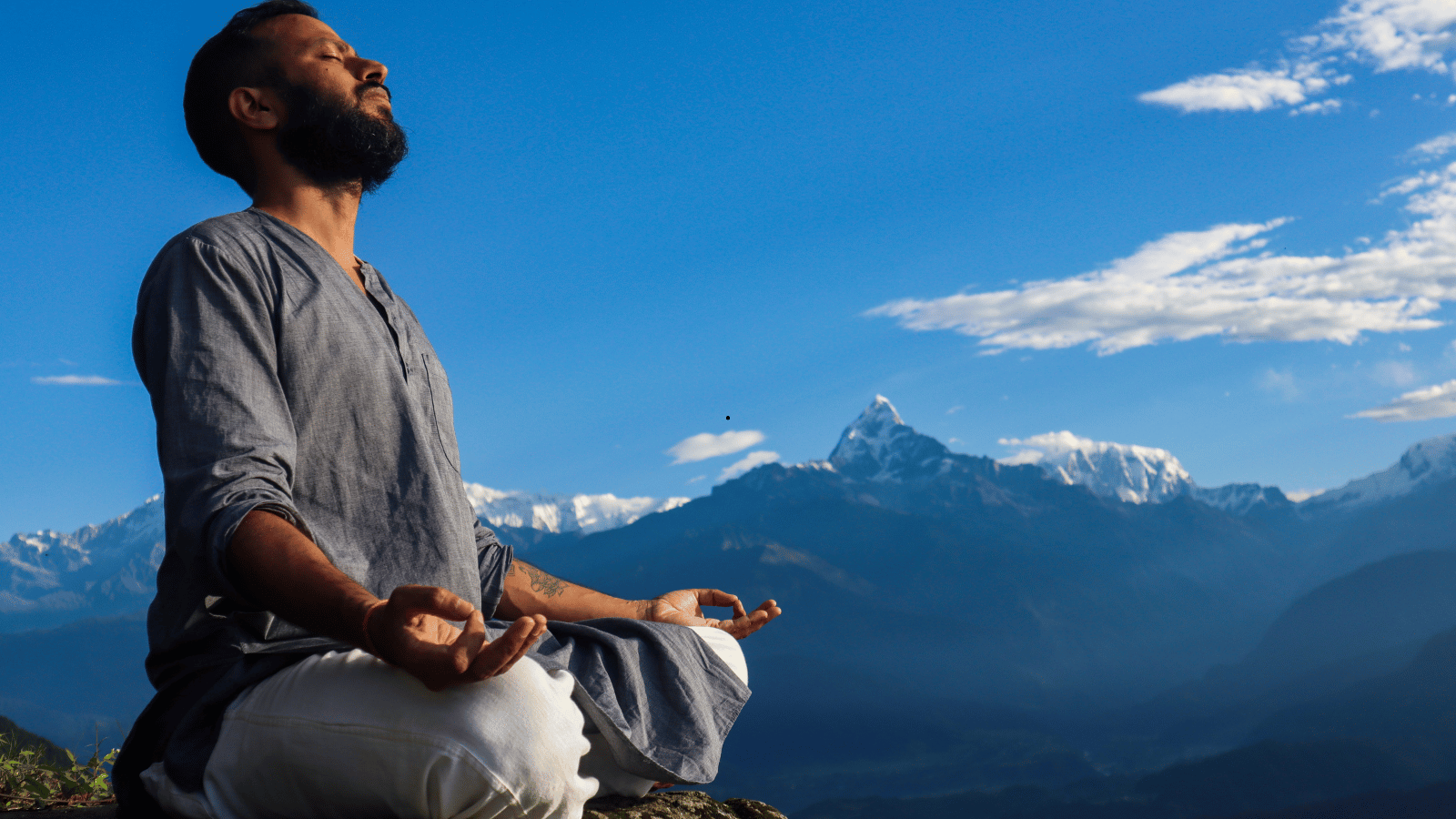
Meditation has a reputation for being complicated or requiring some kind of spiritual transformation, but it’s actually quite simple. At its core, meditation is just the practice of paying attention to the present moment without judgment. You notice your thoughts, but you don’t get pulled into the story they’re telling.
Start with just five minutes. Sit comfortably, close your eyes, and focus on your breath. When your mind wanders (and it will), gently bring your attention back to your breathing. That’s it. You’re not trying to stop your thoughts or achieve some blissed-out state. You’re just practicing the skill of noticing when your mind has drifted and bringing it back.
There are plenty of free resources to guide you. YouTube has countless meditation videos. Apps like Insight Timer offer thousands of free guided meditations. The benefits build over time. Consistent practice actually changes how your brain responds to stress, making you more resilient and less reactive.
Key Takeaways
Stress might be unavoidable, but suffering under its weight isn’t inevitable. These nine techniques, backed by research and costing you nothing but time, can help you manage daily stress more effectively. Walking in nature reduces cortisol levels and improves mood. Deep breathing activates your body’s natural relaxation response. Quality sleep and stress management reinforce each other in a positive cycle. Gratitude journaling provides both mental and cardiovascular benefits.
The catch is that none of these work as a one-time fix. You won’t take a single walk and suddenly feel stress-free forever. The power comes from consistency. Pick two or three techniques that feel most doable for you right now. Practice them daily for a few weeks. Notice what changes. Then add another technique if you want.
You’re dealing with real stress in a world that keeps demanding more. But you also have more tools at your disposal than you might have realized. Start using them.

